
By Marc A. Cormier
Introduction
In the vast landscape of global cinema, certain regions and cultures have become go-to sources of inspiration for filmmakers and screenwriters. Yet, there are still many places whose unique histories, folklore, and cultures remain largely untapped by the creative industries.
One such place is Saint-Pierre-et-Miquelon, a small French archipelago off the coast of Newfoundland, Canada. Despite its modest size and population, this territory is a treasure trove of untold stories, waiting to be brought to life on screen.
Filmmakers and screenwriters have long sought novel locations and narratives to captivate audiences, and yet, Saint-Pierre-et-Miquelon remains largely overlooked. By exploring the region’s rich culture, filmmakers can tap into fresh, underexplored stories that resonate on a universal level. This article examines why the film industry should pay more attention to Saint-Pierre-et-Miquelon’s history, folklore, and culture.
A Unique Historical Tapestry
Saint-Pierre-et-Miquelon’s history spans centuries, marked by indigenous presence, European colonization, economic shifts, and geopolitical struggles. Originally inhabited by indigenous groups, the islands became a point of contention between European powers, notably France and Britain, during the 17th and 18th centuries. The French ultimately retained control, making the islands the last remnant of France’s North American empire.
This history alone provides ample material for period dramas, war films, and historical thrillers. The islands played a unique role during the Prohibition era (1920–1933), when bootlegging transformed them into a hub for alcohol smuggling into the United States. This illicit trade, featuring gangsters, covert operations, and high-stakes risks, is prime material for a gripping crime drama or noir film.
Additionally, the islands’ involvement in World War II, particularly their alignment with Free France under Charles de Gaulle, offers further dramatic potential. A film depicting the region’s strategic importance during the war could provide a fresh perspective on lesser-known aspects of World War II history, diverging from the typical European or Pacific theater narratives.
Rich Folklore and Mythology
Beyond its historical significance, Saint-Pierre-et-Miquelon boasts a rich tradition of folklore that could inspire a wide range of cinematic genres. The islands’ isolation and harsh climate have given rise to a wealth of legends and tales, often passed down generations.
Tales of shipwrecks, mutiny, treasures also provide material for eerie, atmospheric storytelling. A filmmaker could craft a suspenseful drama about a marooned individual struggling against the elements, or a psychological horror film delving into the consquences of prolonged solitude.
A Distinct Cultural Identity
Despite its North American location, Saint-Pierre-et-Miquelon remains distinctly French, maintaining its language, customs, and governance. This cultural anomaly provides an intriguing setting for stories about identity, displacement, and belonging. Filmmakers can explore narratives about individuals torn between French and North American influences, navigating cultural preservation amidst globalization.
Traditions such as the annual Basque Festival, where locals celebrate their heritage through music, dance, and games, could serve as a vibrant backdrop for character-driven narratives.
The Cinematic Beauty of Saint-Pierre-et-Miquelon
Saint-Pierre-et-Miquelon’s rugged coastline, foggy landscapes, and picturesque fishing villages provide a visually stunning setting for any film. The dramatic cliffs and ever-changing weather create a dynamic atmosphere that enhances storytelling. The contrast between the harsh winters and vibrant summers can serve as a powerful metaphor for the resilience of its people.
The untouched beauty of the islands makes it an ideal location for filmmakers seeking authenticity over artificial studio settings. Instead of relying on CGI or constructed sets, productions could take advantage of the real-world scenery to create immersive storytelling experiences, much like how Iceland and the Scottish Highlands have become sought-after film locations.
Ten Topics of Interest From the History of Saint-Pierre-et-Miquelon
- The Free French Resistance (1941-42) – How Saint Pierre and Miquelon played a role in WWII when Admiral Muselier led Free French forces to reclaim the islands from Vichy France, defying U.S. and Canadian opposition.
- The Last Guillotine Execution (1889) – The dramatic and tragic execution of Joseph Néel, the only use of the guillotine in Saint Pierre and Miquelon, with themes of justice, colonial law, and public reaction.
- Prohibition and Smuggling (1920s-30s) – The islands’ role as a hub for bootlegging during U.S. Prohibition, with gangsters, fishermen, and law enforcement clashing over illegal liquor shipments.
- The Cod Fishing Boom and Decline – The rise and fall of the islands’ cod industry, from its prosperity in the 19th century to its collapse due to overfishing and international disputes.
- Shipwrecks and Maritime Disasters – The treacherous waters around the islands have claimed many ships, with tales of survival, heroism, and ghostly legends.
- The Deportation of the Acadians (1755-1763) – The islands as a refuge for Acadian exiles and the tragic displacement of the Acadian people by the British.
- The French Revolution’s Impact on the Islands – The effects of revolutionary turmoil in France on the small colonial outpost, including shifting loyalties and governance changes.
- World War I and the Islanders Who Fought – The stories of young men from Saint Pierre and Miquelon who fought in the trenches of France, many of whom never returned.
- The Influence of Basque, Breton, and Norman Culture – How different French regional identities shaped the islands’ unique traditions, music, and dialects.
- The 20th-Century Economic Crisis and Mass Emigration – How economic downturns forced many islanders to leave for Canada or France, leading to struggles in maintaining identity and culture.
Warning to Filmmakers and Scriptwriters: Do Your Research on Saint Pierre and Miquelon
As storytellers, it’s crucial to approach your projects with respect and accuracy, especially when depicting a unique and culturally rich location like Saint Pierre and Miquelon.
Before diving into scriptwriting or filmmaking, we strongly urge you to:
- Do Your Research: Invest time in learning about the region’s history, culture, and the daily lives of its residents. Saint Pierre and Miquelon is not just another French territory but a place with deep ties to both French and Newfoundland cultures, as well as a unique identity shaped by its geography and history.
- Spend Time Locally: If possible, travel to the islands to immerse yourself in the environment. Spend time interacting with locals, listening to their stories, and experiencing life on the islands. There’s no substitute for firsthand experience when it comes to capturing the essence of a place.
- Respect Local Perspectives: Engage with local experts, historians, and community members to ensure that your portrayal is respectful and true to life. Avoid relying solely on secondary sources or stereotypes; real understanding comes from listening to those who live the culture.
By doing your due diligence and ensuring an accurate portrayal of Saint Pierre and Miquelon, you’ll not only enrich your story but also honor the people and traditions that make this place so unique.
Previous Productions Filmed In Saint-Pierre-et-Miquelon
Saint Pierre and Miquelon, a French overseas territory near Canada, has served as a backdrop for several films and television productions. Here are some notable examples:
- Little Isles of Freedom (1942) this notable film made in Saint Pierre and Miquelon by Victor Stoloff featured a full narration by Charles Boyer. This historical documentary-style film highlights the island’s strategic significance during World War II and portrays life on the islands during that turbulent time. The film showcases the role the islands played in the war effort and gives a glimpse into the local atmosphere during the era.
- Saint-Pierre-et-Miquelon (1954) by Gil LaRoche is another film made in the archipelago. This film provides a cinematic exploration of the islands, showcasing their landscapes and the lives of their inhabitants in the mid-20th century. It offers a unique historical and cultural snapshot of Saint Pierre and Miquelon during that period.
- La France Sur Un Caillou (NFB), released in 1963, is a documentary-style film made in Saint Pierre and Miquelon. Produced by the National Film Board of Canada (NFB), it explores the islands’ historical and cultural significance, emphasizing their French identity and connection to the broader Canadian context.
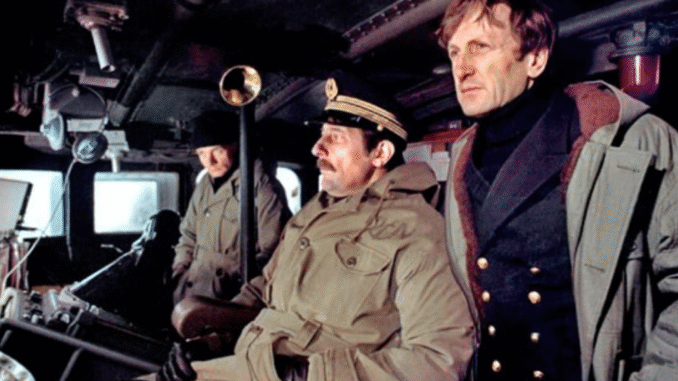
- Le Crabe-tambour (1977), directed by Pierre Schoendoerffer, is the correct film. It is set in the waters near Saint Pierre and Miquelon and focuses on themes of the military, the sea, and personal reflection. The film is based on the novel by Pierre Lemaître and is known for its emotional depth and portrayal of life in the French navy. Thank you for your patience, and I apologize for the earlier confusion!
- La Forme des îles (2015)
Directed by Patrick Viret, this documentary offers a contemplative exploration of the archipelago’s landscapes and its inhabitants. It delves into the region’s history and the lives of its residents, providing a sensitive portrayal of Saint Pierre and Miquelon - Ça tourne à Saint-Pierre et Miquelon (2022)
Directed by Christian Monnier, this comedy-drama follows an actress who travels to Saint Pierre and Miquelon for a mysterious film shoot. The film showcases the unique charm of the islands and features local talent, including actress Adèle Lebon. - Son of a Critch (2022)
This Canadian television series filmed an episode in Saint Pierre and Miquelon. The production team transformed the streets of the city to reflect the ambiance of the 1980s, highlighting the region’s historical connection to Newfoundland.
Previous Productions Inspired by Saint-Pierre-et-Miquelon
- An episode from Peaky Blinders (BBC) referred to Saint Pierre and Miquelon, but the location was not actually used for filming. Instead, the islands were mentioned in the storyline, adding a layer of geographical detail to the narrative.
- The Widow of Saint-Pierre was directed by Patrice Leconte and produced by Jean-Louis Livi. The film, inspired by the local history of the guillotine in Saint Pierre and Miquelon, explores themes of justice, compassion, and redemption, though it was filmed in Louisbourg, Nova Scotia.
Resources for Filmmakers
For filmmakers and screenwriters interested in exploring Saint-Pierre-et-Miquelon as a setting, Archipel Développement provides valuable resources and local support. Their offices can be reached at:
Archipel Développement – Saint-Pierre-et-Miquelon
Rue Borda, BP 4365
97 500 Saint-Pierre-et-Miquelon
+(508) 41-15-15
Website: https://www.archipel-developpement.fr/
Archipel Développement – Paris
3 rue du faubourg Saint-Honoré
75 008 Paris
+(33) 1-49-24-01-85
Filmmakers traveling to Saint-Pierre-et-Miquelon can reach the islands via Air Saint-Pierre, which offers flights from Canadian cities such as St. John’s, Halifax, and Montreal, or by sea using SPM Ferries, which operates a regular ferry service from Fortune, Newfoundland. The ferry crossing takes about 1.5 hours, making it a convenient option for transporting film equipment. Visitors arriving from Fortune should ensure they have valid travel documents, as Saint-Pierre-et-Miquelon is a French territory with customs and immigration requirements. For more information, please visit the official websites:
- Air Saint-Pierre: https://airsaintpierre.com/en/
- SPM Ferries: https://www.spm-ferries.fr/en/home/
Leave a Reply